

Ramadan in the UAE is a special time marked by faith, family gatherings, and shared meals. From traditional Emirati dishes to popular foods enjoyed by many cultures, Suhoor and Iftar meals reflect both heritage and daily life in the country.
- The Cultural Importance of Suhoor and Iftar During Ramadan in the UAE
- Main Categories of Ramadan Foods in the UAE
- Hearty Staples and Main Dishes
- Soups, Starters, and Shareable Bites
- Traditional and Modern Suhoor Dishes
- Popular Ramadan Desserts and Sweet Treats in the UAE
- Ramadan Drinks and Refreshments
- Regional and Fusion Influences in UAE Ramadan Cuisine
- Modern and Convenient Ramadan Food Choices
- Eating Tips and Portion Control During Ramadan in the UAE
- Where to Find Traditional Ramadan Foods Across the UAE
- Key Takeaways for Choosing the Best Ramadan Dishes
- Conclusion
- FAQs
This guide explains the most popular Ramadan dishes in the UAE, their importance, and how to enjoy them in a balanced and practical way during the holy month.
The Cultural Importance of Suhoor and Iftar During Ramadan in the UAE
In the UAE, Suhoor and Iftar are more than daily meals, they are moments of togetherness and care. Families wake up early for Suhoor to prepare for the long fasting day ahead. This meal focuses on foods that provide steady energy and hydration.
Iftar is the evening meal that breaks the fast at sunset. It often starts with dates and water, following Islamic tradition. Homes, mosques, and community centres organise Iftar meals, showing generosity and unity. Sharing food during Ramadan strengthens social bonds and reminds people of gratitude and patience.
Main Categories of Ramadan Foods in the UAE
Ramadan foods in the UAE can be grouped into main meals, starters, Suhoor dishes, and sweets. Each category plays an important role in keeping the body nourished while respecting cultural traditions.
Hearty Staples and Main Dishes
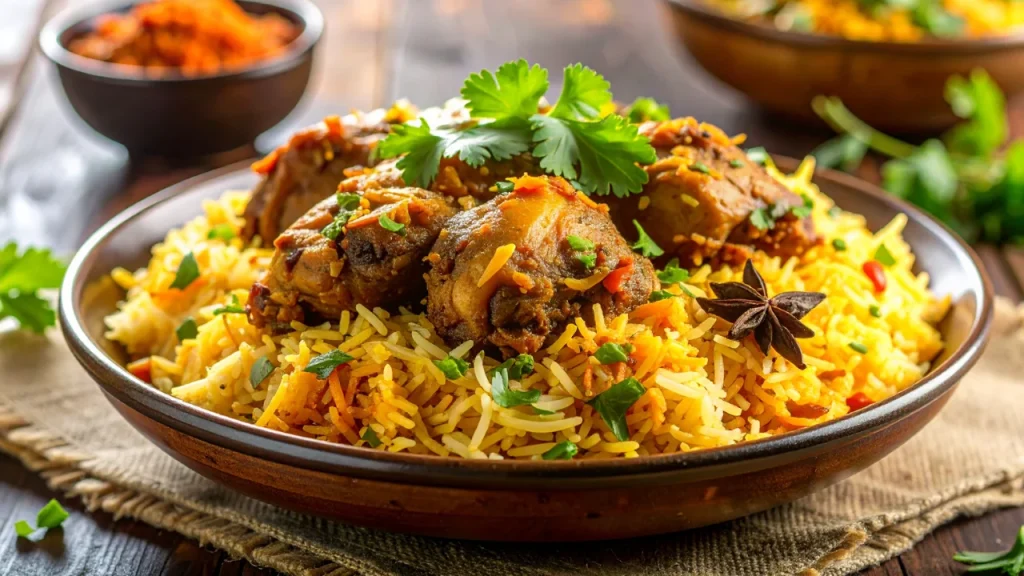
Main dishes served at Iftar are filling and often prepared in large portions for families and guests. These meals are usually rice-based or slow-cooked, making them suitable after a full day of fasting.
Chicken Biryani
Chicken biryani is widely enjoyed across the UAE. It is made with spiced rice and tender chicken, offering both taste and energy. Many families prefer homemade biryani for Iftar because it is filling and easy to share.
Mutton Pulao
Mutton pulao uses fewer spices than biryani but is rich in flavour. The slow-cooked mutton adds depth, while the rice absorbs the broth. It is often served on special Iftar gatherings.
Lamb Ouzi
Lamb ouzi is a traditional dish served during large family meals. The lamb is roasted until soft and served over spiced rice. It is commonly seen at community Iftars and festive Ramadan nights.
Majboos
Majboos is a Gulf-style rice dish prepared with meat or chicken and aromatic spices. In the UAE, it is a household favourite during Ramadan due to its balanced taste and hearty nature.
Mandi
Mandi comes from Yemeni cuisine but is very popular in the UAE. Meat is cooked slowly, giving it a smoky flavour. During Ramadan, mandi is often shared among extended families.
Harees
Harees is a simple yet meaningful dish made from wheat and meat. It has a soft texture and is easy to digest, making it suitable for Iftar. It is deeply connected with Emirati Ramadan traditions.
Jareesh
Jareesh is prepared from crushed wheat and meat. It is nutritious and filling, often served as a warm dish during Iftar in many Emirati homes.
Sayadua
Sayadua is a rice and fish dish enjoyed by coastal communities. It reflects the UAE’s maritime heritage and is a lighter alternative to meat-based meals.
Kepsa Bel Sanak
This rice-based dish includes vegetables and meat, offering a balanced option for Iftar. It is commonly prepared for family dinners during Ramadan.
Stew
Stews made with vegetables and meat are popular because they are light yet satisfying. They are often served alongside rice or bread to complete the meal.
Soups, Starters, and Shareable Bites
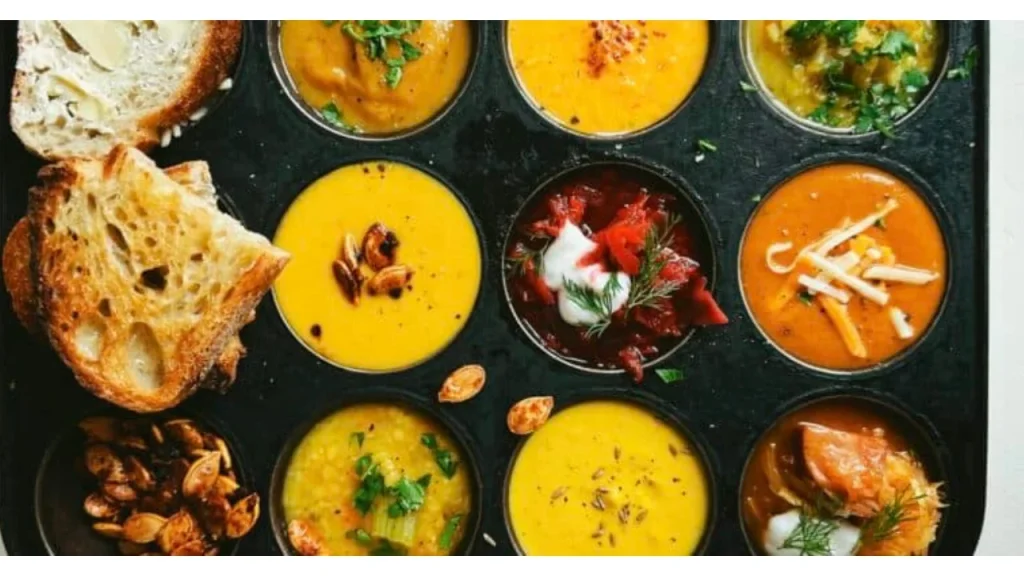
Starters help prepare the stomach after a long fast. They are usually lighter foods served before the main dish.
Harira
Harira is a traditional soup made with lentils, tomatoes, and spices. It is warm, filling, and easy to digest, making it ideal for breaking the fast.
Samosa and Fatayer
These fried pastries are common at Iftar. Filled with vegetables, cheese, or meat, they are quick bites enjoyed by both adults and children.
Sambousek
Sambousek is similar to samosa but often baked or lightly fried. It is a popular choice during Ramadan evenings.
Chicken Cheese Pakora
This snack combines chicken and cheese in a crispy coating. It is commonly prepared at home for Iftar gatherings.
Grilled Kebabs and Shawarma
Grilled meats and shawarma are widely available across the UAE. During Ramadan, they are often served fresh at Iftar tents and family dinners.
Kousa Mahshi
Stuffed zucchini filled with rice and meat is a comforting dish enjoyed during Ramadan. It is filling without being heavy.
Malfouf
Malfouf, or stuffed cabbage rolls, are popular in many households. They are usually prepared in advance, making them convenient for Iftar.
Russian Salad
This cold salad adds freshness to the Iftar table. It is often served as a side dish alongside fried snacks.
Traditional and Modern Suhoor Dishes
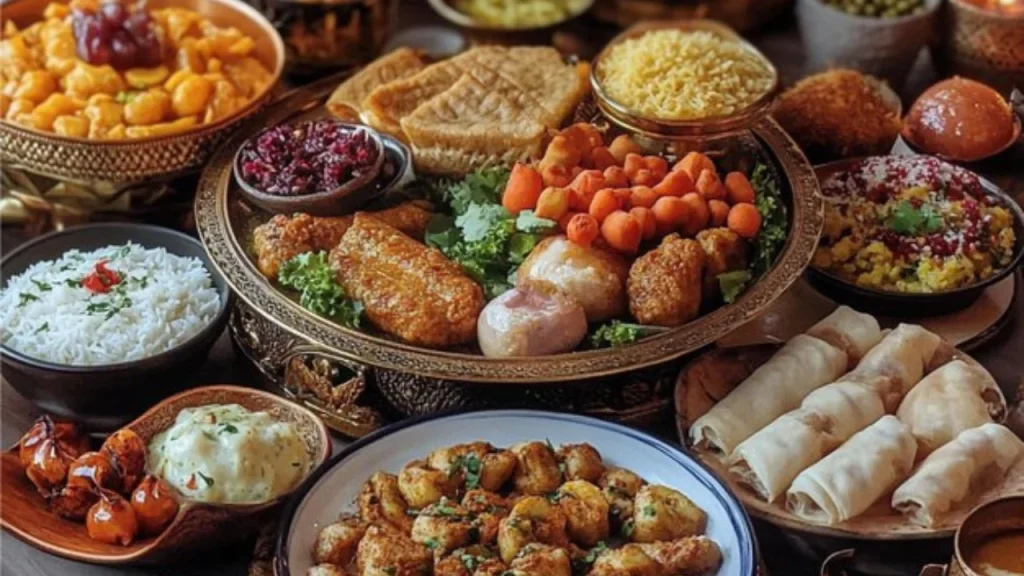
Suhoor meals focus on keeping the body energised and hydrated throughout the fasting hours.
Balaleet
Balaleet is a traditional Emirati dish made with sweet vermicelli and eggs. It provides carbohydrates and protein, making it suitable for Suhoor.
Shakshuka
Shakshuka is made with eggs cooked in tomato sauce. It is light, nutritious, and easy to prepare, making it a common Suhoor choice.
Fresh Dates
Dates are a key part of Suhoor in the UAE. They provide natural sugars and help maintain energy levels during the day.
Many Dubai residents prefer to eat Iftar and Suhoor at reputable local restaurants throughout Ramadan. Locations like Talal Restaurant Muhaisnah 4 and Keerthi Restaurant Qusais are frequently searched by individuals seeking quick, reasonably priced, and tasty meals during the holy month. Muhaisnah and Qusais are noted for their range of dining alternatives.
Popular Ramadan Desserts and Sweet Treats in the UAE
Desserts are usually enjoyed after Iftar or later in the evening. They add sweetness to Ramadan gatherings but are best eaten in moderation.
Classic Arabic Desserts
Luqaimat
Luqaimat are small fried dough balls drizzled with date syrup. They are one of the most loved Ramadan sweets in the UAE.
Kunafa
Kunafa is made with pastry, cheese, and syrup. It is commonly shared during Ramadan nights with tea.
Baklava
Baklava is layered pastry filled with nuts and syrup. It is often served during Iftar gatherings.
Umm Ali
Umm Ali is a warm bread pudding made with milk and nuts. It is comforting and popular during cooler Ramadan evenings.
Mehalabiya
Mehalabiya is a light milk-based dessert. It is often chosen for those who prefer less sweet options.
Ramadan Drinks and Refreshments
Drinks and refreshments are crucial for replenishing energy and hydration following extended fasting periods during Ramadan in the United Arab Emirates. Fresh and traditional Ramadan beverages aid in digestion, aid in the body’s recovery from dehydration, and prime the stomach for Iftar meals.
Fresh Juices
Fresh juices help restore hydration after fasting. Popular options include orange, watermelon, and lemon drinks. These are often prepared at home or served at community Iftars.
Regional and Fusion Influences in UAE Ramadan Cuisine
The UAE is home to many cultures, which is reflected in Ramadan food choices. South Asian, Levantine, and African dishes are commonly found on Iftar tables. This mix allows families to enjoy both traditional Emirati foods and international flavours during Ramadan.
Modern and Convenient Ramadan Food Choices
Pizza
Pizza has become a popular Iftar option, especially for younger family members. It is quick to prepare and easy to share. Many households include pizza alongside traditional dishes for variety.
Eating Tips and Portion Control During Ramadan in the UAE
Maintaining healthy eating habits during Ramadan is important. Simple tips include:
- Start Iftar with dates and water
- Eat soup or salad before heavy meals
- Avoid overeating fried foods
- Drink water regularly between Iftar and Suhoor
For food safety and healthy practices, residents can refer to guidance from Dubai Municipality
https://www.dm.gov.ae
Where to Find Traditional Ramadan Foods Across the UAE
Traditional Ramadan foods can be found in:
- Local neighbourhood restaurants
- Community Iftar tents
- Home kitchens and family gatherings
- Ramadan food markets
Government-supported community Iftars are also organised in various areas. Information is often shared through official UAE government portals
https://u.ae
Key Takeaways for Choosing the Best Ramadan Dishes
- Balance traditional and light foods
- Include soups and vegetables
- Limit fried and sugary items
- Focus on hydration and portion size
Choosing the right foods helps maintain energy and well-being throughout Ramadan.
Conclusion
Ramadan food in the UAE reflects tradition, generosity, and diversity. From hearty rice dishes to light Suhoor meals and classic desserts, each dish has its place during the holy month. By choosing balanced meals and following healthy eating habits, families can enjoy Ramadan while maintaining good health. Whether prepared at home or shared in the community, these dishes bring people together and keep the spirit of Ramadan alive.
FAQs
What is the most common Iftar food in the UAE?
Dates, soup, and rice-based dishes like biryani or harees are commonly served.
What is best to eat at Suhoor?
Foods like balaleet, eggs, dates, and water-rich items are suitable for Suhoor.
Are fried foods recommended during Ramadan?
They can be eaten in small amounts, but moderation is advised.
Can children eat the same Ramadan foods?
Yes, but portions and spice levels should be adjusted.
Where can I find free community Iftars in the UAE?
Community Iftars are organised across the UAE, with details shared on official government platforms.