
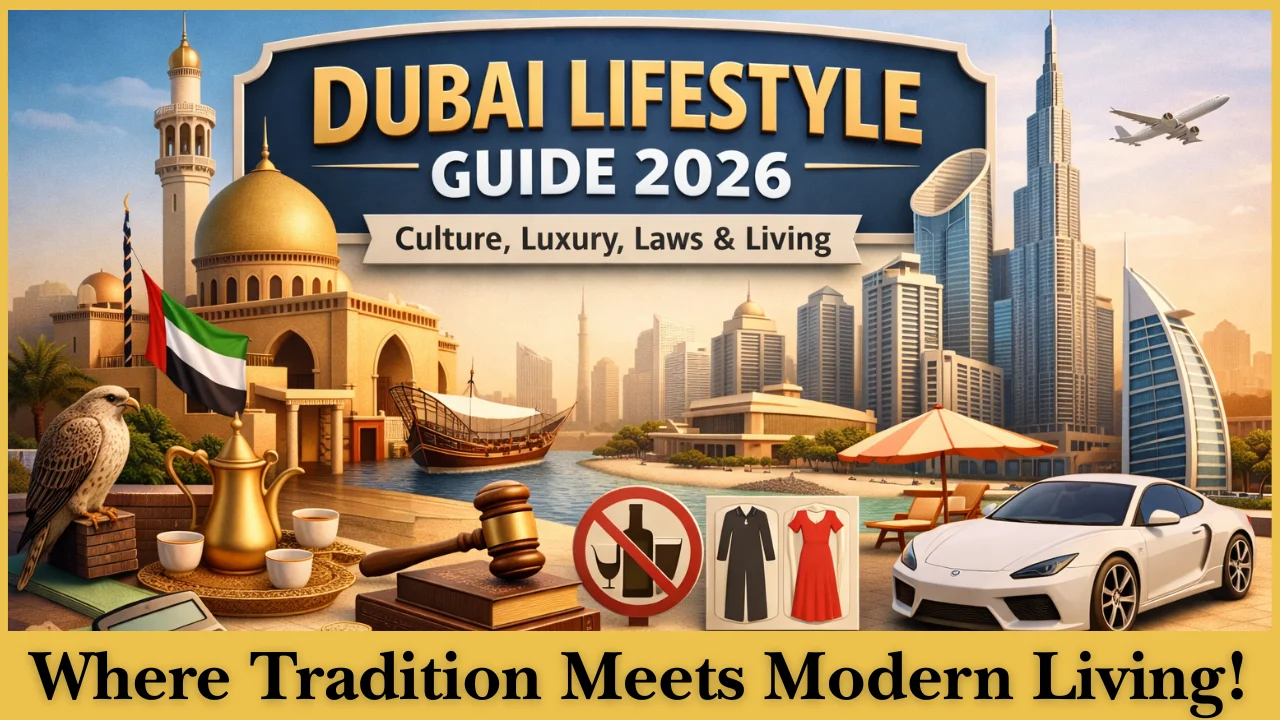
Dubai is one of the fastest growing cities in the world. It is known for safety, modern buildings, strong business growth and deep cultural roots. In 2026, Dubai continues to attract UAE citizens, expats, investors and tourists who want a stable and high-quality life.
- Living In Dubai: Where Tradition Meets Modern Living
- The Cultural Landscape of Dubai
- Traditional Values in a Modern Metropolis
- The Emirati Perspective
- The Expat Perspective
- The Role of Religion in Daily Life
- Respecting Local Culture and Leadership
- Dress Code in Dubai: Modesty, Style and Cultural Expectations
- Traditional Emirati Attire
- Dress Code for Expatriates and Visitors
- What to Wear in Public Spaces and Mosques
- Fashion, Luxury and Modern Trends
- Everyday Etiquette and Social Behaviour
- Greeting and Communication
- Hosting and Visiting Customs
- Hand and Feet Etiquette
- Public Displays of Affection
- Watch Your Language and Public Comments
- Social Media Rules and Online Conduct
- Photography Laws and Privacy
- Dubai Laws and Legal Considerations for Residents and Tourists
- Alcohol Consumption Laws
- Drug and Medication Regulations
- Wrong Deeds Laws
- Rules for Couples and Unmarried Partners
- Cheques and Financial Laws
- Prohibited Items and Customs Regulations
- Legal Penalties for Public Misconduct
- Respecting Ramadan and Religious Observances
- Work Culture and Professional Life in Dubai
- The Multinational Workforce
- Business Etiquette
- Working Hours and Public Holidays
- High-Profile Business and Executive Lifestyle
- Cost of Living and Income Expectations
- Earnings Needed to Live Comfortably in Dubai
- Housing Costs and Utilities
- Education Expenses
- Healthcare Costs
- Housing and Living Environments
- Healthcare System in Dubai
- Public and Private Healthcare Services
- Well-being and Preventive Care
- Wellness, Health and Longevity Living
- Education and Raising Children in Dubai
- Food Culture and Dining Scene
- Shopping in Dubai: From Traditional Souks to Luxury Malls
- Leisure, Entertainment and Social Life
- Nightlife and Dining
- Arts, Culture and Sports
- Events and the Social Scene
- Private and Exclusive Experiences
- Transportation and Urban Mobility
- Things to Know Before Moving to Dubai
- Adapting to the Climate
- Learning Basic Arabic Phrases
- Integrating into Local Society
- Maintaining a Balanced Lifestyle
- What Not to Do in Dubai to Avoid Legal Trouble
- Conclusion
- FAQs
This complete guide explains culture, lifestyle, laws, costs and daily living in simple language. Whether you are planning to move, invest, start a business or visit, this article gives clear and practical guidance.
Living In Dubai: Where Tradition Meets Modern Living
Dubai is a city where old traditions and modern life exist together. You can visit Dubai Old City in the morning and sit in a luxury rooftop restaurant at night.
The city respects Islamic traditions while also welcoming over 200 nationalities. Skyscrapers stand next to heritage areas. Local markets operate beside world-class shopping malls.
For residents and business owners, Dubai offers:
- Strong infrastructure
- Safe communities
- Tax-friendly environment
- Modern healthcare and schools
- Global business access
Dubai life is structured, organised and well-regulated. Following local laws and customs is very important.
The Cultural Landscape of Dubai
Dubai’s culture is based on Islamic values, hospitality and respect. Even though it is modern, traditions are still strong.
Traditional Values in a Modern Metropolis
Family, respect and modesty are key values in Emirati society. Elders are highly respected. Community ties are strong.
Even in business meetings, politeness and patience matter. Friday remains an important day for prayer and family time.
The Emirati Perspective
Emirati citizens take pride in preserving their heritage. Traditional dress, Arabic language and Islamic practices are important parts of daily life.
Government efforts help protect history and culture. You can learn more from official resources such as the UAE Government Portal: https://u.ae/en/about-the-uae
The Expat Perspective
Expats form a large part of Dubai’s population. Many come for jobs, business and lifestyle opportunities.
Expats enjoy:
- Tax-free income
- International schools
- High living standards
- Safe environment
However, respecting local laws is essential.
The Role of Religion in Daily Life
Islam plays an important role in public life. Prayer times are observed daily. During Ramadan, working hours change.
Religion shapes many social rules and customs.
Key Religious Practices
Important practices include:
- Five daily prayers
- Friday congregational prayer
- Fasting during Ramadan
- Charity giving
Non-Muslims are free to practise their religion privately.
Respecting Local Culture and Leadership
Respect for the country’s leadership is taken seriously. Public criticism, insulting comments or disrespectful behaviour can lead to legal action.
Always speak respectfully in public and online spaces.
Dress Code in Dubai: Modesty, Style and Cultural Expectations
Dubai is modern, but modest dressing is expected in public places.
Traditional Emirati Attire
- Men wear kandura
- Women wear abaya and shayla
These are symbols of national identity and pride.
Dress Code for Expatriates and Visitors
Expats can wear western clothing. However, clothes should not be too revealing in public areas.
In malls and offices:
- Avoid very short skirts
- Avoid transparent clothes
- Keep shoulders covered in formal settings
What to Wear in Public Spaces and Mosques
When visiting mosques:
- Women must cover hair
- Loose clothing is required
- Men should wear long trousers
Beachwear is allowed only at beaches and pools.
Fashion, Luxury and Modern Trends
Dubai is also a fashion hub. Luxury brands and designer stores are common. Modern style is widely accepted in hotels and private venues.
Balance is key, dress stylishly but respectfully.
Everyday Etiquette and Social Behaviour
Good manners are highly valued in Dubai.
Greeting and Communication
Common greetings include “As-salamu alaykum”. Handshakes are common between men.
Wait for a woman to extend her hand first before shaking hands.
Hosting and Visiting Customs
Hospitality is important in Emirati culture.
When visiting:
- Accept coffee or tea if offered
- Remove shoes if requested
- Avoid rushing conversations
Hand and Feet Etiquette
Using the left hand for eating or greeting is discouraged.
Avoid showing the bottom of your feet when sitting.
Public Displays of Affection
Holding hands is usually acceptable for married couples. Kissing or hugging in public can cause legal issues.
Keep affection private.
Watch Your Language and Public Comments
Swearing, rude gestures and offensive language can result in fines or jail.
Be careful in traffic disputes and online comments.
Social Media Rules and Online Conduct
Online laws are strict. Posting rumours or false information is illegal.
Avoid sharing:
- Fake news
- Private photos without permission
- Insulting remarks
Photography Laws and Privacy
Do not photograph people without consent. Government buildings and military sites must not be photographed.
Dubai Laws and Legal Considerations for Residents and Tourists
Dubai has clear laws. Ignorance is not an excuse.
For official legal updates, visit:
https://www.moj.gov.ae
Alcohol Consumption Laws
Alcohol is allowed in licensed venues. Drinking in public places is illegal.
Driving under the influence leads to serious penalties.
Drug and Medication Regulations
The UAE has zero tolerance for drugs. Even small amounts can lead to jail.
Some prescription medicines are restricted. Always check before travelling.
Wrong Deeds Laws
Harassment, stalking or inappropriate messages are criminal offences.
Respect personal boundaries at all times.
Rules for Couples and Unmarried Partners
Unmarried couples can now live together legally. However, respectful behaviour in public remains important.
Cheques and Financial Laws
Bounced cheques can lead to legal trouble.
Always ensure sufficient funds before issuing a cheque.
Prohibited Items and Customs Regulations
Do not bring:
- Drugs
- Pornographic material
- Gambling tools
- Certain medications without approval
Legal Penalties for Public Misconduct
Penalties may include:
- Fines
- Jail time
- Deportation
Following the rules keeps everyone safe.
Respecting Ramadan and Religious Observances
During Ramadan:
- Do not eat or drink in public during daylight
- Dress modestly
- Avoid loud music
Working hours are reduced. Restaurants may have curtains during fasting hours.
Work Culture and Professional Life in Dubai
Dubai is a global business centre.
The Multinational Workforce
Workplaces include people from many countries. English is widely used in business.
Teamwork and punctuality are valued.
Business Etiquette
- Arrive on time
- Use formal titles
- Exchange business cards politely
Working Hours and Public Holidays
Typical workweek is Monday to Friday.
Public holidays include:
- Eid Al Fitr
- Eid Al Adha
- National Day
High-Profile Business and Executive Lifestyle
Dubai attracts global investors and executives. Areas like Al Sufouh Dubai Area offer premium residential and office spaces.
Luxury cars, high-end offices and private networking events are common in executive circles.
Cost of Living and Income Expectations
Dubai offers high quality life, but costs can be high.
Earnings Needed to Live Comfortably in Dubai
Income depends on lifestyle.
Single person may need moderate income. Families need higher combined earnings.
Living Costs for a Comfortable Lifestyle
| Category | Estimated Monthly Range |
| Rent | Medium to High |
| Utilities | Moderate |
| Groceries | Moderate |
| Transport | Moderate |
| School Fees | High |
Lifestyle choices greatly affect costs.
Housing Costs and Utilities
Rent depends on area. Central areas cost more.
Utilities include:
- Electricity
- Water
- Internet
Education Expenses
Private schools charge annual fees. Costs vary by curriculum.
Plan the education budget carefully.
Healthcare Costs
Health insurance is mandatory. Private healthcare can be expensive without insurance.
Housing and Living Environments
Dubai offers many residential choices.
Residential Neighbourhoods
Options include:
- Family communities
- Waterfront living
- Apartment towers
Research before choosing. Read guides like Top 7 Costly Mistakes To Avoid When Buying Property in Dubai before investing.
Rental and Property Ownership Process
Renting requires:
- Tenancy contract
- Security deposit
- Ejari registration
Buying requires:
- Down payment
- Sales agreement
- Registration fees
Choosing the Right Community
Consider:
- Distance to work
- School availability
- Public transport access
- Community facilities
For historical property insights, you can also check trusted resources such as dubai archives for reference material.
Healthcare System in Dubai
Dubai healthcare standards are high.
Public and Private Healthcare Services
Both public and private hospitals operate. Private facilities offer faster service but higher cost.
Health insurance is compulsory.
Well-being and Preventive Care
Residents are encouraged to:
- Take annual check-ups
- Maintain active lifestyle
- Follow vaccination schedules
Wellness, Health and Longevity Living
Dubai promotes wellness through:
- Parks
- Fitness centres
- Healthy dining options
Education and Raising Children in Dubai
Families find Dubai child-friendly.
The Education System
Schools offer:
- British curriculum
- American curriculum
- IB and others
Quality is regulated by authorities.
Family-Friendly Lifestyle
Communities include:
- Parks
- Play areas
- Safe walking paths
Child-Friendly Activities
Children enjoy:
- Theme parks
- Beaches
- Sports academies
Food Culture and Dining Scene
Dubai is a global food hub.
Traditional Emirati Cuisine
Popular dishes include:
- Machboos
- Luqaimat
- Harees
Local food reflects heritage.
Global Gastronomy
Restaurants serve food from all over the world.
Fine Dining and Culinary Excellence
Luxury hotels host award-winning chefs. Fine dining is part of the city’s lifestyle.
Shopping in Dubai: From Traditional Souks to Luxury Malls
Shopping is a major activity.
The Traditional Souk Experience
The cultural and historical center of Dubai’s retail district is represented by traditional souks. The city’s longstanding reputation as the “City of Gold” is reflected in the stunning displays of gold, diamonds, and precious jewels that surround visitors as they stroll through the Dubai Gold Souk’s winding pathways.
A sensory adventure into Middle Eastern culinary traditions can be found nearby at the Dubai Spice Souk, which fills the air with rich scents of saffron, cardamom, cinnamon, and dried herbs.
Modern Shopping Malls
The world-renowned The Dubai Mall is not only one of the largest malls globally but also home to attractions such as the Dubai Aquarium & Underwater Zoo, an Olympic-sized ice rink, and hundreds of international retail brands.
High-End Shopping and Fashion
Dubai has solidified its position as a top global destination for luxury apparel and upscale shopping. Rich consumers looking for distinctive fashion statements are catered to via exclusive collections, limited-edition items, and customized shopping services.
Leisure, Entertainment and Social Life
Dubai offers activities for all ages.
Nightlife and Dining
Licensed venues offer nightlife experiences.
Arts, Culture and Sports
Events include:
- Art exhibitions
- Sports tournaments
- Cultural festivals
Events and the Social Scene
Business conferences and social gatherings are common year-round.
Private and Exclusive Experiences
Private yacht rentals and desert safaris are popular luxury activities.
Transportation and Urban Mobility
Transport system is modern and organised.
Public Transport
Public transport includes the metro, buses and trams. These services are clean, safe and affordable, making daily travel convenient for everyone.
Driving in Dubai
Driving in Dubai is also smooth because roads are well maintained and clearly marked. However, traffic rules are strict, and fines for speeding or violations can be high, so drivers must always follow the law carefully.
Other Modes of Mobility
Taxis and ride-hailing services are widely available.
Things to Know Before Moving to Dubai
Planning helps avoid stress.
Adapting to the Climate
Summers are very hot. Stay hydrated and use air conditioning.
Learning Basic Arabic Phrases
Simple words like “Shukran” help build respect.
Integrating into Local Society
Join community groups and attend cultural events.
Maintaining a Balanced Lifestyle
Work-life balance is important. Plan finances carefully.
What Not to Do in Dubai to Avoid Legal Trouble
You can keep safe and stay out of problems with the law by being aware of local limits.
- In social settings, you should always give or receive objects with your right hand.
- Refrain from yelling, fighting, or making offensive gestures in public.
- Respect local customs, clothing codes, and religion at all times.
- Avoid bringing prohibited or restricted items into the United Arab Emirates.
- Before you fly, carefully review the official customs regulations.
Conclusion
Dubai in 2026 remains one of the safest and most structured cities in the world. It combines tradition, law and luxury in a unique way.
Success in Dubai depends on respect, awareness and planning. Whether you are a resident, business owner or visitor, following local guidance ensures a smooth experience.
Living in Dubai offers opportunity, but understanding culture and laws is the key to long-term success.
FAQs
Can Unmarried Couples Stay Together in Dubai Hotels?
Yes, current regulations allow unmarried couples to stay together. However, respectful public behaviour is still expected.
What Prescription Medications Are Restricted in the UAE?
Some controlled medicines require approval. Always carry a doctor’s prescription and check official lists before travelling.
Can Tourists Drink Alcohol in Dubai?
Tourists can drink alcohol in licensed venues. Drinking in public spaces is illegal.
What Are the Penalties for Public Displays of Affection?
Kissing or intimate behaviour in public can lead to fines or warnings. Serious cases may result in legal action.
What Should Visitors Wear When Entering Mosques?
Visitors should wear modest clothing. Women must cover hair and arms. Men should wear long trousers.