
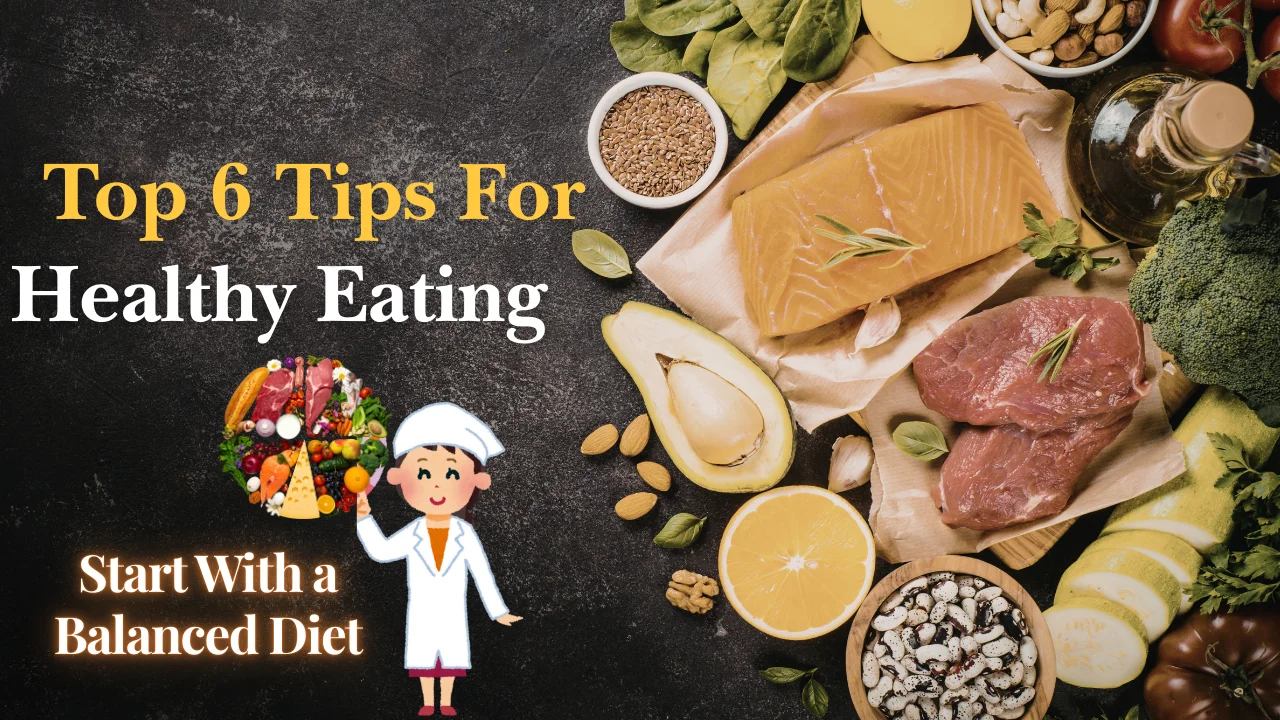
For residents of the UAE, eating a balanced and healthful diet is becoming increasingly crucial. Many locals find it difficult to maintain good eating habits due to hectic work schedules, harsh weather, and ready access to fast food.
- Why Balanced Nutrition Is Important in the UAE
- Understanding Healthy Eating Habits in the UAE
- Tip 1: Prioritise Whole Foods Over Processed Options
- Tip 2: Balance Macronutrients in Every Meal
- Tip 3: Portion Control and Mindful Eating
- Tip 4: Stay Hydrated in the UAE Climate
- Tip 5: Meal Planning for Consistency
- Tip 6: Healthy Eating When Dining Out
- Traditional Foods and Balanced Nutrition
- Building a Healthy Plate
- Fruits in a Balanced Diet
- Healthy Snacking Choices
- Importance of Fibre in Daily Nutrition
- Gut Health and Nutrition
- Physical Activity and Nutrition
- The Role of Fats, Salt, and Beverages
- Nutrition for Skin and Hair Health
- Factors Influencing Healthy Eating in the UAE
- Do You Need Supplements on a Balanced Diet?
- Building a Healthier Future Through Nutrition
- Conclusion
- FAQs
- What are the best healthy snacks for busy professionals in the UAE?
- Is it possible to enjoy traditional foods while eating healthy?
- How much water should I drink daily in the UAE climate?
- Are meal delivery services reliable for balanced nutrition?
- Can I maintain balanced nutrition if I eat out frequently?
- As a beginner, how do I start eating a balanced diet?
- Do busy professionals find meal planning helpful?
Knowing how to eat healthily can enhance your energy, focus, and long-term health, regardless of whether you are a citizen of the United Arab Emirates, a working professional, a small company owner, or a member of a growing family.
Simple explanations of proper diet are provided in this UAE-focused resource. It includes ideas for dining out, hydration requirements, local eating customs, and useful guidance that you can simply implement in your everyday life.
Why Balanced Nutrition Is Important in the UAE
Balanced nutrition supports good health, steady energy, and strong immunity. In the UAE, certain local factors make healthy eating even more important.
Climate and hydration needs
The UAE has a hot and humid climate for most of the year. High temperatures increase sweating, which leads to loss of water and minerals. Without proper hydration and nutrition, people may feel tired, dizzy, or unfocused.
Eating water-rich foods and drinking enough fluids helps the body cope better with the heat and supports digestion and circulation.
Lifestyle and work routines
Many people in Dubai and other emirates work long hours or rotating shifts. Office jobs, driving-based work, and screen time reduce physical movement. Poor food choices combined with low activity can lead to weight gain and low energy.
Balanced meals help maintain focus during long workdays and reduce reliance on sugary snacks or caffeine.
Cultural food habits
The UAE has a rich food culture influenced by Middle Eastern, Asian, and international cuisines. While many traditional dishes are nutritious, modern portions and cooking styles can add excess salt, fat, and calories.
Balanced nutrition does not mean avoiding cultural foods, it means eating them in a smarter way.
Understanding Healthy Eating Habits in the UAE
Healthy eating in the UAE is shaped by both tradition and modern lifestyle.
Local dietary patterns
Many households enjoy rice-based meals, grilled meats, flatbreads, and stews. Dates, yoghurt, lentils, and legumes are also common. These foods can be part of a healthy diet when portions and cooking methods are managed well.
Eating out culture and convenience foods
Dubai has a strong eating-out culture. Cafes, food courts, and delivery apps make it easy to order meals at any time. While convenient, frequent restaurant meals are often high in salt, sugar, and unhealthy fats.
Understanding how to balance home-cooked meals with dining out is key to long-term health.
Tip 1: Prioritise Whole Foods Over Processed Options
Whole foods are foods that are close to their natural form. These should be the base of a healthy diet.
Reducing processed and fast foods
Highly processed foods include packaged snacks, sugary drinks, instant meals, and fast food. These foods are often low in nutrients and high in calories.
Reducing processed foods can help lower the risk of weight gain and lifestyle-related health issues.
Choosing fresh and minimally processed ingredients
Focus on foods such as:
- Fresh vegetables and fruits
- Whole grains like brown rice and oats
- Fresh fish, chicken, eggs, and lean meats
- Lentils, beans, and nuts
Shopping at local markets and supermarkets with fresh sections makes healthier choices easier.
Tip 2: Balance Macronutrients in Every Meal
Macronutrients are the nutrients the body needs in larger amounts.
Importance of carbohydrates, proteins, and fats
A balanced meal includes all three macronutrients:
- Carbohydrates provide energy, choose whole grains and vegetables
- Proteins support muscles and repair, include eggs, fish, beans, and lean meats
- Healthy fats support brain and heart health, found in olive oil, nuts, and seeds
Avoid cutting out any food group completely.
Creating balanced meals at home and outside
A simple balanced plate looks like this:
| Food Group | Portion |
| Vegetables | Half the plate |
| Protein | One quarter |
| Whole grains | One quarter |
When eating out, aim for grilled items, add a salad, and reduce fried sides.
Tip 3: Portion Control and Mindful Eating
Eating healthy is not only about food choices, it is also about how much and how fast you eat.
Preventing overeating
Large portions are common in restaurants and family meals. Eating more than needed leads to weight gain over time.
Using smaller plates and serving food once instead of refilling can help control portions.
Practical mindful eating habits
- Eat slowly and chew well
- Avoid eating while using screens
- Stop eating when you feel comfortably full
Mindful eating improves digestion and helps recognise true hunger.
Tip 4: Stay Hydrated in the UAE Climate
Hydration is essential for everyone living in the UAE.
Daily water intake requirements
Most adults need at least 2 to 3 litres of water daily. In hot weather or during physical activity, this amount increases.
Children and elderly people need regular reminders to drink water.
Smart hydration choices
Water is the best option. Other helpful choices include:
- Unsweetened herbal teas
- Fresh coconut water in moderation
- Water-rich foods like cucumber and watermelon
Limit sugary drinks and energy drinks.
Are You Drinking Enough Water?
Signs of dehydration include dark urine, headaches, and tiredness. Carrying a reusable water bottle can help build a daily habit.
Tip 5: Meal Planning for Consistency
Planning meals saves time and supports healthier choices.
Planning meals around busy schedules
Simple planning steps include:
- Deciding meals for the week
- Preparing ingredients in advance
- Keeping healthy snacks ready
Benefits for professionals and families
Meal planning reduces last-minute food orders and helps manage budgets. Families benefit from regular meal times and better nutrition for children.
Tip 6: Healthy Eating When Dining Out
Eating out is common in the UAE and can still be part of a balanced lifestyle.
Is eating out harmful to your health?
Eating out occasionally is not harmful. Problems arise when restaurant meals become daily habits without balance.
Making healthier restaurant choices
- Choose grilled or baked items
- Ask for sauces on the side
- Share large portions
- Add vegetables or salads
These small steps reduce excess calories and salt.
Traditional Foods and Balanced Nutrition
Local foods can fit well into a healthy diet.
Enjoying local and traditional dishes healthily
Yogurt, lentils, beans, and grilled meats are all rich sources of protein and vital minerals. Portion control is crucial to maintaining the healthfulness of these meals, particularly when it comes to rice, bread, and fried side dishes. Deep-frying can be replaced with grilling, baking, or slow cooking to cut fat without sacrificing flavor.
Role of spices in nutrition
Turmeric, cumin, coriander, and cinnamon are examples of spices that give food a deep flavor without adding extra calories, salt, or sugar. Additionally, a lot of spices aid with digestion and lessen bloating. Meals can be made healthier without sacrificing the true flavor of classic recipes by substituting spices for thick sauces.
You can visit this Guidance to explore Spice Souk In Dubai.
Building a Healthy Plate
Visual guides help simplify nutrition.
What a healthy plate looks like
A healthy plate includes:
- Plenty of vegetables
- Lean protein
- Whole grains
- A small amount of healthy fat
Balancing food groups
Avoid meals made mostly of rice or bread. Balance improves energy levels and digestion.
Fruits in a Balanced Diet
Fruits provide vitamins, minerals, and fibre.
Fruit vs fruit juice
Whole fruits are better than juices because they contain fibre. Fruit juice often has added sugar and lacks fibre.
How to include fruits daily
- Add fruit to breakfast
- Keep fruit at work
- Choose fruit for dessert
Understanding one serving of fruit
One serving equals one medium apple, one banana, or a cup of chopped fruit.
Healthy Snacking Choices
Snacks can support or harm nutrition depending on choice.
What are healthy snacks?
Healthy snacks provide nutrients and keep you full.
Smart snack options for busy lifestyles
- Nuts and seeds
- Greek yoghurt
- Fresh fruit
- Hummus with vegetables
Importance of Fibre in Daily Nutrition
Fibre supports digestion and heart health.
Why fibre matters
Fibre helps control blood sugar, improves gut health, and keeps you full longer.
Fibre-rich food options
- Whole grains
- Vegetables
- Fruits
- Beans and lentils
Gut Health and Nutrition
Gut health affects digestion and immunity.
Understanding gut health
A healthy gut supports nutrient absorption and overall wellbeing.
Common gut health issues in the UAE
Irregular meals, low fibre intake, and high processed food consumption can affect gut health.
Tips for maintaining a healthy gut
- Eat fibre-rich foods
- Include yoghurt and fermented foods
- Drink enough water
Physical Activity and Nutrition
Nutrition works best with regular movement.
How active should you be?
Adults should aim for at least 150 minutes of moderate activity per week.
Tips to include more steps daily
- Walk during breaks
- Use stairs
- Park further away
Health Benefits of Being Physically Active
Physical activity supports heart health, weight control, and mental wellbeing.
The Role of Fats, Salt, and Beverages
Not all fats and drinks are harmful.
Eat fat to lose fat
Healthy fats help control hunger and support metabolism. Avoid trans fats and limit fried foods.
Mind your salt intake
Too much salt can affect blood pressure. Choose fresh foods and limit packaged items.
Is coffee bad for you?
Moderate coffee intake is generally safe. Avoid adding too much sugar or cream.
Nutrition for Skin and Hair Health
What you eat affects your appearance.
Improving hair health through diet
Protein, iron, and healthy fats support hair strength.
Keeping skin radiant and healthy
Hydration, fruits, vegetables, and healthy fats support skin health.
Factors Influencing Healthy Eating in the UAE
Several local and lifestyle factors affect how people in the UAE choose their food each day.
- Work schedules and overtime
- Long workdays reduce the amount of time spent cooking at home.
- Reliance on fast food and delivery apps is increased by shift jobs and late nights.
- Digestion and energy levels are impacted by eating late or skipping meals.
- Import charges and food costs
- Many nutritious foods are imported and could cost extra.
- Local seafood, fruits, and vegetables are frequently more reasonably priced.
- Price disparities may persuade families to select less healthful, less expensive options.
- Weather impact
- During the day, hot weather can make you feel less hungry.
- The body need more water and electrolytes in hot weather.
- Individuals can favor small meals and cold beverages over well-balanced meals.
- Taxes and pricing
- Food prices vary across supermarkets, cafes, and restaurants
- Frequent eating out increases monthly food expenses
- Meal planning and grocery shopping help control costs and improve nutrition
Do You Need Supplements on a Balanced Diet?
Most people do not need supplements if they eat a varied diet. Some may need vitamin D or iron based on medical advice. Always consult a healthcare professional before using supplements.
For official guidance, refer to the UAE Ministry of Health and Prevention
https://mohap.gov.ae
Building a Healthier Future Through Nutrition
Small daily choices shape long-term health. Balanced nutrition supports productivity, family wellbeing, and quality of life in the UAE.
Government health initiatives also promote healthy living. More guidance is available through Dubai Health Authority
https://www.dha.gov.ae
Conclusion
Balanced and healthy nutrition in the UAE is achievable with simple steps. By choosing whole foods, staying hydrated, managing portions, and planning meals, residents can enjoy better health without giving up local food culture. Consistency, not perfection, is the key to long-term success.
FAQs
What are the best healthy snacks for busy professionals in the UAE?
Nuts, fruit, yoghurt, and boiled eggs are quick and nutritious options.
Is it possible to enjoy traditional foods while eating healthy?
Yes, by controlling portions and choosing grilled or baked options.
How much water should I drink daily in the UAE climate?
Most adults need 2 to 3 litres daily, more during heat or exercise.
Are meal delivery services reliable for balanced nutrition?
Some offer healthy options, always check ingredients and portions.
Can I maintain balanced nutrition if I eat out frequently?
Yes, by making smart choices and balancing meals at home.
As a beginner, how do I start eating a balanced diet?
Start with small changes like adding vegetables and drinking more water.
Do busy professionals find meal planning helpful?
Yes, it saves time, money, and supports healthier eating habits.